Editorial team ·
The menu is the same, but the kitchen closes earlier
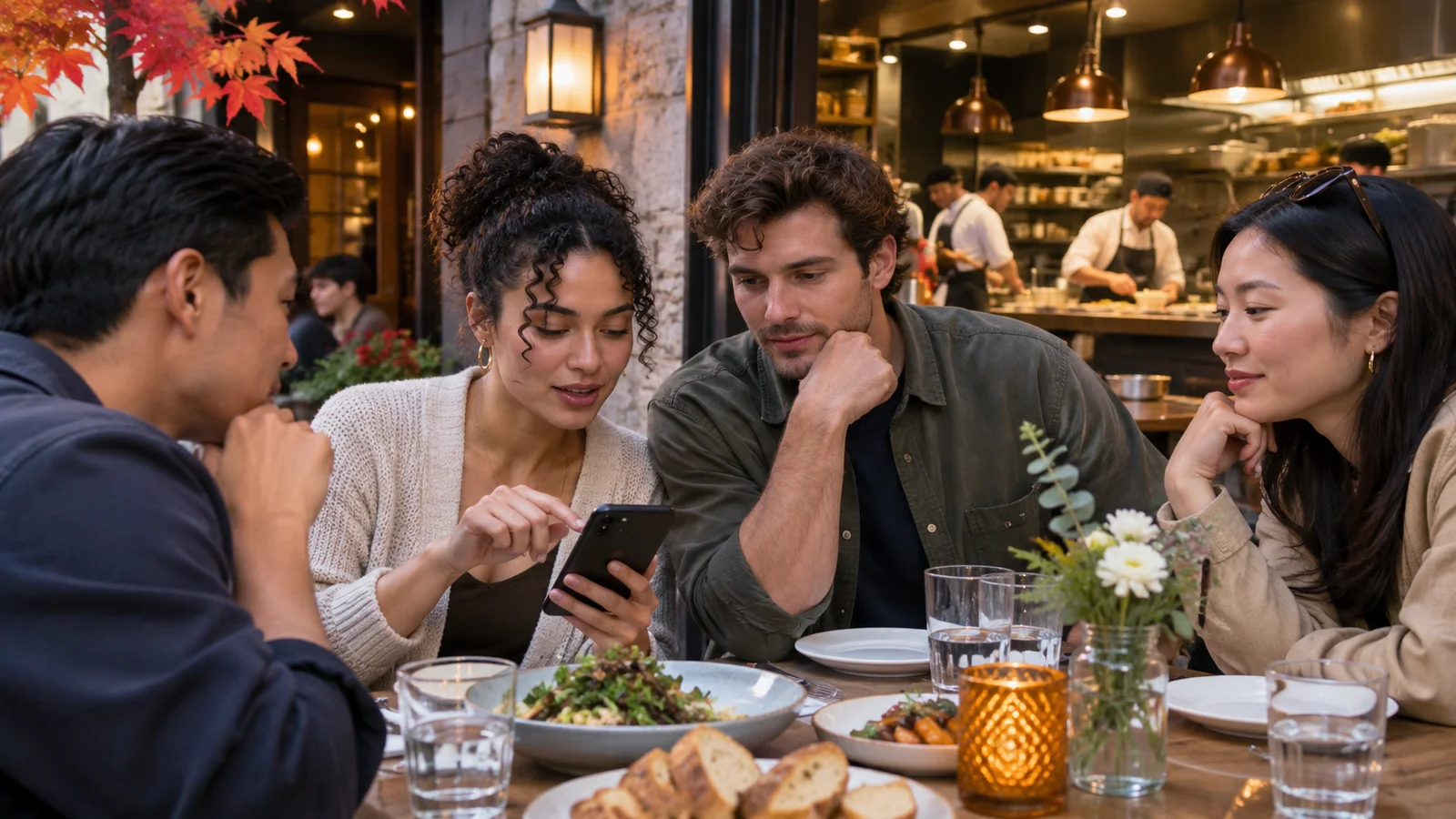
A restaurant sends a reply: the menu you picked still applies, but the kitchen is taking last orders at eight thirty. Your table was at eight forty-five. Ask the restaurant what the change means for that reservation before moving every other part of the outing.
Update the walk and confirmation together
- Read which time changed
- Separate room, kitchen and last order.
- Check the date and booking.
- Tell people what is confirmed
- Revise the walk and arrival time.
- Replace older directions where they are used.
Name the changed window and the affected booking
In the fictional case, the dining room remains open until ten. Last orders have moved from nine to eight thirty. The changed time affects the meal even though the building and menu have not changed.
Give the restaurant the reservation time and ask what it can confirm. It may move the booking or provide a different service. Write down the accepted option, including when the group needs to arrive.
Count the route from the event or first stop. If the new time cannot be reached, do not leave an old reservation in the itinerary as if it still worked. Choose the alternative the group can actually make.
Send the new instructions as one line with the time, door and source. Replace a saved menu image if it shows the old serving hours prominently.
| Item | Before | Current |
|---|---|---|
| Menu | Event dinner | Same list |
| Last orders | 9:00 p.m. | 8:30 p.m. |
| Room closes | 10:00 p.m. | 10:00 p.m. |
| Table time | 8:45 p.m. | Ask the restaurant to confirm the revised arrangement |
Questions and answers
- Does an unchanged menu mean unchanged hours?
- Check the current serving window separately.
- What if I already paid a deposit?
- Contact the reservation provider about options under the terms of that booking.
- Should I forward the full reply?
- Give the group the confirmed change and a way to find its source if needed.