Does ‘local’ describe the whole plate or one ingredient?
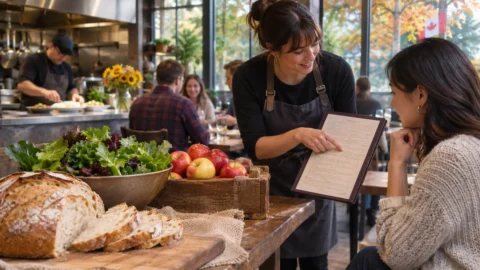
Read a fictional menu for the ingredient actually called local, the place or supplier named, and the dates when the statement applies.
Read a fictional menu for the ingredient actually called local, the place or supplier named, and the dates when the statement applies.
Find the menu period, available dish and service window. A practice menu shows why a seasonal heading does not settle every ingredient or date.
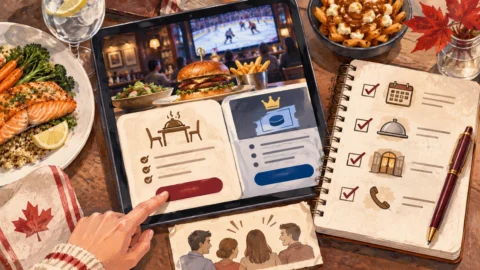
Compare a fictional dinner listing and a sportsbook panel for adults. Find who provides the meal, where to book it, and what the separate advertisement says.
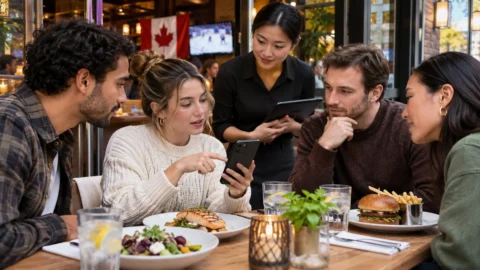
Ask about a specific ingredient rather than the whole menu. Use a short exchange to distinguish where it was grown from where it was bought.
Read the farm, bakery and distributor names on a fictional menu. Record which ingredient each is connected to and what role the name identifies.
Read a fictional menu footer and event credit separately. Check whether a sportsbook label identifies an advertiser or actually describes the meal.
Compare an imaginary individual dish with a dinner package. List what each one includes and check price units, required extras, and the number of diners.
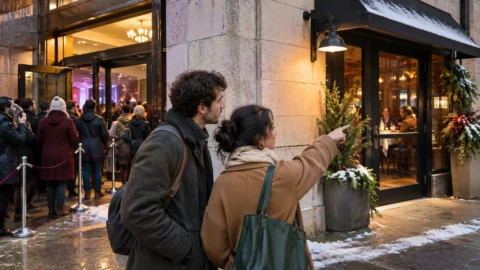
Read an imaginary venue plan for a street-facing dining entrance, a shared lobby, and different paths during an event. Confirm the route before leaving.
Compare an invented bookmaker notice and restaurant reservation. Identify which terms govern a meal date, table size, or change to the booking.
Match a restaurant’s published menu to the event, date and service window. A fictional event-night list shows why two correct menus can differ.